
Introduction
In today’s digital world, hacker warnings are more important than ever. Every day, people use the internet for work, study, shopping, and communication. At the same time, hackers are becoming smarter and more active. They look for small mistakes that users make and turn them into big problems. Because of this, understanding hacker warnings is no longer only for experts. It is something every internet user must learn.
Hacker warnings are alerts, signs, or messages that tell you something may be wrong with your device, account, or online activity. These warnings help you act early before serious damage happens. When ignored, small issues can quickly turn into data theft, financial loss, or loss of personal privacy. That is why learning about is a smart and necessary step.
Many beginners believe hacking only happens to big companies. However, hackers often target normal users because they are easier to trick. A weak password, a fake email, or an unsafe website can be enough. Hacker warnings help you notice these dangers in time.
This guide explains hacker warnings in simple English. It is designed for beginners and intermediate readers who want clear and practical knowledge. You will learn what hacker warnings are, why they matter, how to respond step by step, and how to avoid common mistakes. By the end, you will feel more confident and safer online using correctly.
What is Hacker Warnings?
Hacker warnings are signs or alerts that indicate possible hacking attempts or security threats. These warnings can come from your device, software, email provider, or even your own observation. They are meant to inform you that something unusual is happening.
For example, a message saying “Suspicious login detected” is a hacker warning. A browser alert about an unsafe website is another example. Even sudden slow performance or unknown apps can act as warnings. All of these are part of awareness.
Hacker warnings can be automatic or manual. Automatic warnings are generated by systems like antivirus programs or email services. Manual warnings are things you notice yourself, such as strange emails or unexpected password changes.
Understanding these warnings helps you take quick action. Instead of panicking, you learn to respond calmly and correctly. This is why hacker warnings are a key part of online safety education.
Why is Hacker Warnings Important?
Hacker warnings play a critical role in protecting your digital life. They act as an early alarm system that gives you time to respond before damage happens.
First, hacker warnings help protect personal data. Your photos, messages, and documents are valuable. Hackers often steal this data for misuse. awareness helps you stop them early.
Second, they protect your money. Online banking and shopping are common targets. A small warning ignored can lead to serious financial loss.
Third, hacker warnings protect your identity. Identity theft can take years to fix. Recognizing warnings early reduces this risk.
Finally, they give peace of mind. When you understand warnings, you feel more confident using technology. Instead of fear, you gain control. That is why learning about is essential for everyone today.
Detailed Step-by-Step Guide
Step 1: Learn Common Hacker Warning Signs
The first step is knowing what to look for. Common hacker warnings include unusual login alerts, password reset emails you did not request, and unknown software installations. Slow devices and frequent pop-ups can also be signs.
Step 2: Check the Source Carefully
Not all warnings are real. Some are fake messages designed to scare you. Always check where the warning comes from. Official apps and trusted services are safer sources. This step is vital in Hacker Warnings understanding.
Step 3: Do Not Click Immediately
If you receive a warning email or message, pause. Do not click links right away. Hackers often use fake warnings to trick users. Visit the official website directly instead.
Step 4: Change Passwords Safely
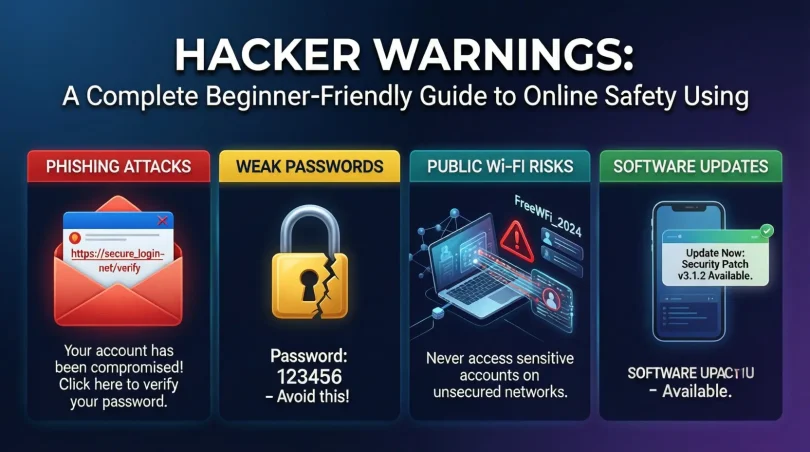
When a warning seems real, change your password immediately. Use a strong and unique password. Avoid using the same password for multiple accounts.
Step 5: Enable Extra Security
Turn on two-step verification wherever possible. This adds an extra layer of protection and reduces hacking risks.
Step 6: Scan Your Device
Run a full security scan using trusted software. This helps detect hidden threats. Regular scanning supports Hacker Warnings best practices.
Step 7: Update Software Regularly
Outdated software has security gaps. Updates fix these problems. Always keep your system and apps updated.
Step 8: Monitor Activity Continuously
After handling a warning, keep watching your accounts. Look for unusual activity. Early detection makes a big difference.
Benefits of Hacker Warnings

- Help detect threats early
- Protect personal and financial data
- Reduce risk of identity theft
- Improve overall online awareness
- Build confidence in using technology
- Support safe digital habits through Hacker Warnings
Disadvantages / Risks
- Fake warnings can cause confusion
- Overreaction may lead to mistakes
- Ignoring real warnings increases danger
- Lack of knowledge reduces effectiveness
- Dependence on warnings alone is risky
Common Mistakes to Avoid
Many users make simple mistakes when dealing with hacker warnings. One common mistake is ignoring alerts completely. Another mistake is trusting every warning without checking its source.
Some people panic and share personal information. Others delay action, thinking nothing will happen. Avoid using weak passwords after a warning. Also, do not disable security features out of frustration.
Understanding Hacker Warnings helps you avoid these mistakes. Awareness and calm action are key.
FAQs
What are hacker warnings in simple terms?
Hacker warnings are alerts that tell you something unusual or unsafe may be happening with your account or device. They help you act early.
Are all hacker warnings real?
No, some warnings are fake. Always verify the source before taking action. This is an important part of Hacker Warnings awareness.
What should I do first after a warning?
Stay calm, check the source, and avoid clicking links. Then secure your account if needed.
Can beginners handle hacker warnings easily?
Yes, with basic knowledge and practice, beginners can respond effectively and safely.
Do hacker warnings guarantee safety?
They reduce risk but do not guarantee complete safety. Good habits and awareness are still needed.
How often should I review my security settings?
Review them regularly, especially after receiving a warning. This supports strong Hacker Warnings usage.
Expert Tips & Bonus Points
Experts suggest treating hacker warnings as helpful signals, not threats. Always use strong passwords and avoid public Wi-Fi for sensitive tasks. Regular backups protect your data if something goes wrong.
Another tip is to learn from each warning. Over time, you will recognize patterns and respond faster. Keep learning and stay updated. This continuous improvement is the bonus of mastering Hacker Warnings.
Conclusion
Hacker warnings are an essential part of staying safe in the modern digital world. They are not meant to scare users but to inform and protect them. When understood correctly, these warnings become powerful tools for prevention. From protecting personal data to securing financial accounts, their role is significant.
For beginners and intermediate users, learning about hacker warnings builds confidence. Instead of feeling helpless, you gain the ability to respond wisely. This guide explained the meaning, importance, steps, benefits, risks, and expert advice related to hacker warnings in simple language.
The key is balance. Do not ignore warnings, but do not panic either. Verify, act calmly, and improve your security habits. With regular practice, recognizing real threats becomes easier.
In the end, online safety is a shared responsibility. Technology provides warnings, but users must understand and act on them. By following the principles of Hacker Warnings, you take a strong step toward a safer and more secure digital life.