
Introduction
The internet has become a big part of our daily lives. We use it for learning, shopping, banking, entertainment, and staying connected with others. However, as online activity increases, so do digital risks. Cyber threats are no longer limited to big companies. Today, students, families, freelancers, and small businesses are also common targets. That is why Online Protection is more important than ever before.
Online Protection means taking the right steps to keep your personal information, devices, and online accounts safe. It helps you avoid problems like hacking, identity theft, scams, data loss, and privacy invasion. Many beginners think online safety is too technical, but in reality, simple habits can make a huge difference.
This guide is written in simple English for beginners and intermediate users. It explains Online Protection in a clear and practical way. You will learn what it is, why it matters, and how to apply it step by step in real life. Each section is designed to be easy to read, useful, and realistic.
Whether you use the internet for study, work, or daily tasks, this article will help you build safer online habits. By the end, you will feel more confident and aware while using digital platforms, apps, and devices.
What is Online Protection?
Online Protection refers to all the methods, tools, and habits used to stay safe on the internet. It focuses on protecting your data, identity, devices, and online activities from cyber threats.
It includes actions such as creating strong passwords, avoiding suspicious links, using security software, and protecting personal information. Online Protection also involves understanding online risks and making smart decisions while browsing, chatting, or downloading content.
In simple words, it is about staying alert and secure while using the internet. Just like you lock your house to stay safe, you need digital locks and awareness to protect your online life.
Why is Online Protection Important?
Online Protection is important because cyber threats are increasing every year. Hackers and scammers are becoming smarter and more creative.
Without proper protection, you may face serious problems. These include financial loss, stolen personal data, damaged reputation, or even emotional stress. For students, it can mean lost assignments or hacked accounts. For professionals, it can affect work and income.
Online Protection also helps maintain privacy. Many apps and websites collect user data. Without awareness, your information can be misused.
Most importantly, safe online behavior builds confidence. When you know how to protect yourself, you can enjoy the internet without fear or confusion.
Detailed Step-by-Step Guide
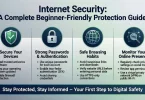
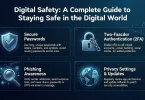
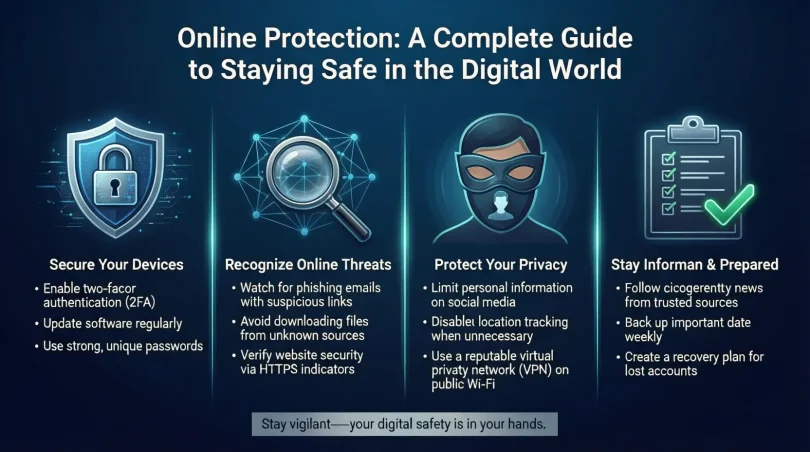
Step 1: Create Strong and Unique Passwords
Passwords are your first line of defense. Weak passwords are easy to guess.
Use a mix of uppercase letters, lowercase letters, numbers, and symbols. Avoid using names, birthdays, or common words. Each account should have a different password.
For example, instead of “password123,” use something like “T7@SafeNet!21”.
Step 2: Enable Two-Factor Authentication
Two-factor authentication adds an extra layer of security. It usually sends a code to your phone or email after you enter your password.
Even if someone knows your password, they cannot access your account without the second step. Enable it on email, social media, and banking apps whenever possible.
Step 3: Be Careful with Emails and Messages
Many online attacks start with fake emails or messages. These often look real and urgent.
Do not click on unknown links or download attachments from suspicious senders. Check spelling mistakes, strange addresses, and unusual requests.
If something feels wrong, it probably is.
Step 4: Keep Your Devices Updated
Updates are not just for new features. They fix security problems.
Always update your phone, computer, browser, and apps. Turn on automatic updates if possible. This small habit plays a big role in Online Protection.
Step 5: Use Trusted Security Software
Install antivirus and anti-malware software from trusted sources. These tools help detect and block threats.
Keep the software updated and run regular scans. Even free versions can provide basic protection for beginners.
Step 6: Protect Your Personal Information
Think before sharing personal details online. Avoid posting your address, phone number, or private documents publicly.
On social media, review privacy settings and limit who can see your posts. Less sharing means less risk.
Step 7: Use Secure Internet Connections
Public Wi-Fi can be risky. Avoid logging into sensitive accounts when using public networks.
If you must use them, avoid online banking or private emails. At home, secure your Wi-Fi with a strong password.
Step 8: Learn to Recognize Online Scams
Scammers use fake offers, prizes, or threats to trick users.
Common signs include urgent messages, requests for money, or promises that sound too good to be true. Awareness is a key part of Online Protection.
Benefits of Online Protection
- Keeps personal and financial data safe
- Reduces risk of hacking and identity theft
- Builds confidence while using online services
- Protects devices from viruses and malware
- Helps maintain privacy and digital reputation
- Saves time and money by avoiding cyber issues
Disadvantages / Risks
- Requires time to learn and apply
- Some security tools may cost money
- Overconfidence can still lead to mistakes
- Too many passwords can be hard to manage
- Ignoring updates reduces effectiveness
Common Mistakes to Avoid
Many users reuse the same password everywhere. This makes hacking easier.
Another mistake is trusting every message or email without checking the source. Cybercriminals rely on this habit.
Ignoring software updates is also risky. Updates are essential for security.
Finally, oversharing on social media can expose private information. Always think before posting.
FAQs
What is Online Protection in simple terms?
Online Protection means staying safe while using the internet. It includes protecting your data, accounts, and devices from online threats.
Is Online Protection necessary for beginners?
Yes, beginners are often easy targets. Simple safety habits can prevent many problems.
Can free tools provide good protection?
Free tools offer basic safety, which is enough for many users. However, paid tools provide advanced features.
How often should passwords be changed?
It is best to change important passwords every few months or if you suspect any risk.
Are mobile devices also at risk?
Yes, phones and tablets can be hacked too. They need the same level of care as computers.
Does Online Protection guarantee full safety?
No system is perfect. However, good Online Protection greatly reduces risks and damage.
Expert Tips & Bonus Points
Always back up important data. Use cloud storage or external drives.
Log out of accounts on shared devices. This prevents unauthorized access.
Review app permissions regularly. Remove apps you no longer use.
Educate family members about basic online safety. Protection works better when everyone is aware.
Stay informed about new online threats. Learning is an ongoing process.
Conclusion
Online Protection is no longer optional in today’s digital world. As internet use grows, so do cyber risks that affect people of all ages and backgrounds. From students attending online classes to professionals managing work remotely, everyone needs basic online safety knowledge.
The good news is that Online Protection does not require advanced technical skills. Simple habits like strong passwords, careful browsing, regular updates, and awareness of scams can significantly reduce risks. These small actions build a strong safety foundation over time.
By following the steps shared in this guide, you can protect your personal information, devices, and online identity more effectively. You also gain peace of mind, knowing that you are better prepared to handle digital challenges.
Remember, the internet is a powerful tool when used wisely. With the right approach and consistent effort, Online Protection becomes a natural part of your daily routine. Stay alert, stay informed, and enjoy a safer online experience every day.